The GEO paper
Community moment at a Levi's event in Amsterdam

The GEO paper · October 2026

GEO is a reputation game

A paper on Generative Engine Optimization (GEO) and why the brands AI recommends are built beyond owned content.

Jonas Van Gerrewey, Digital Strategy Lead, OONA/BAASAbout a 20-minute read

Why this paper

Generative engines like ChatGPT, Claude and Gemini don’t just read what brands say about themselves. They learn from what journalists publish, what creators share and what communities discuss and recommend. In other words: Generative Engine Optimization isn’t just a search strategy. It’s a reputation game.

First the theory: what GEO is, and how an AI answer is built. Then the 3 places AI gets its answers from (owned, earned and community), each with a live test in ChatGPT, Claude and Gemini, the fixes that matter and the full GEO checklists to download. We close with how to measure your visibility in AI answers, and your next steps.

  1. 1The theory
  2. 2Where AI gets its answers
  3. 3Measuring your AI presence
  4. 4Next steps
Jonas Van Gerrewey

About the author

Jonas Van Gerrewey leads digital strategy and AI adoption at OONA/BAAS, with 15+ years of experience in how brands show up in search, social and now AI answers.

About OONA/BAAS

OONA/BAAS is a community-first communications agency that connects brands with the cultural voices that shape our zeitgeist. Based in Antwerp and Amsterdam, we help local champions scale across Europe and support global brands in becoming local heroes. We combine PR, influencer marketing, social media and event management to help brands earn a place inside communities, and turn that presence into measurable impact.

Overhead shot of people carrying furniture and plants

In this paper

1

The theory

What is GEO?

Generative Engine Optimization: all activities to optimize how your brand shows up in AI answers, in platforms like ChatGPT, Claude, Gemini and Copilot.

With GEO, your brand is

1

Named

Your brand shows up in the AI answers

2

Recommended

AI puts your brand forward as a good choice

3

Described

AI uses the right facts and tells your story the way you want

Being named is only half of it. If an assistant mentions you with an old price, a wrong address or a return policy you dropped 2 years ago, it sends customers away with confidence. GEO is about presence and accuracy at the same time.

The way people discover brands is changing

We used to Google everything. Then we started searching on social media. Now, we ask AI.

  • Classic Google gives you links
  • Social gives you what people think
  • AI gives you a long written answer and decides which brands to mention

3 keywords become a 23-word question. “Private bank Belgium” becomes “I’m 32, I just inherited 80,000 euro and I’ve never invested before. Which Belgian bank should I go with, and why?” People describe their situation, their budget and their doubts, in their own language.

10 links become 1 answer. A search engine gives you a list and lets you decide. An assistant reads that list for you and writes a single answer, usually with 2 to 5 brands in it.

AI decides which brands it trusts. The judgment that used to happen in the reader’s head now happens inside the model, based on what the media report, what creators recommend and what customers say.


Google
TikTok·YouTube·Instagram
Claude·ChatGPT·Gemini

AI already decides what people buy

This is not a future scenario. In the Benelux and beyond, a large and fast-growing group already uses AI before they buy.

Benelux
29%

of Belgians use AI when they buy online. Late 2025: 21%.

BeCom, BE, 2026
55%

of Dutch consumers already use AI when they shop.

Deloitte, NL, n=1,000, May 2026
44%

of Dutch people rely on AI for information.

Deloitte, NL, n=1,000, May 2026
43%

of Flemish adults use generative AI every month.

imec.digimeter, BE, n=3,001, 2025
International
41%

bought a product AI recommended in the past 6 months.

Klaviyo, 2026
58%

of AI users decided not to buy something because of what a chatbot said.

Semrush, US, n=2,338, Jul 2026
11%

start product research with AI. Search engines: 33%, social media: 15%.

Emplifi, US and UK, n=1,638, 2026
24%

of all ChatGPT messages seek information: the job a web search used to do.

OpenAI, Harvard, Duke, NBER, 2025

Look twice at the 58%. More than half of AI users have walked away from a purchase because of what a chatbot told them. AI does not only send customers your way. It also talks them out of it.

SEO and GEO: same roots, different game

If you have invested in search engine optimization, that work is not wasted. GEO grows from the same roots, but the game is played differently.

Same
Your website has to be readable and fast.
Clear answers to real questions win.
What others say about you counts.
Different
SEO ranks 10 links.GEO picks a few brands for 1 answer.
SEO counts links.GEO counts who talks about you, and what they say.
SEO brings clicks.GEO often ends without a click, so the answer itself is the result.

Where AI gets its answers

Everything an AI can read about your brand falls into 1 of 3 groups. We use them throughout this paper.

1OOwned

What brands say about themselves: your website, social profiles, newsroom, FAQ and product data.

2EEarned

What journalists, media, experts and creators say about your brand.

3CCommunity

What people say about your brand: reviews, forums, comments and threads.

AI reads all 3. When a brand says one thing but the media and the community say another, AI often believes the media and the community.

How an AI answer is built

1

Someone asks

  • A full question
  • In their own words and language
  • Not 3 keywords
2

The engine searches

  • Across what you say, what others publish and what people repeat
OwnedEarnedCommunity
3

It decides who to trust

  • Prefers facts that several sources agree on
  • Values what others say about a brand
4

It writes 1 answer

  • A few brands and a few links
  • Those links are only a small part of what AI scanned
  • This decides which brands get named, recommended and described

AI looks your brand up and believes what other sources say.

Not cited doesn’t mean AI didn’t read it

What AI shows you

Brand site ↗Media article ↗Reviews & forums ↗

What AI also reads, without a link

Training data

Sites, news and forums it learned from

Web pages it scanned

Results it read to decide on an answer

Ratings & listings

Review scores, opening hours, Google profiles

The few links you see are only the tip of the iceberg.

Guests at an ARMEDANGELS event in Amsterdam

3 questions, 3 kinds of sources

The less a question names your brand, the more others decide the answer.

Discovery

“Which moisturizer works best for sensitive skin?”

Decided almost entirely by what others say

What others sayWhat the brand says
90%*10%*
Comparison

“Is brand X’s or brand Y’s oat milk better for coffee?”

Reviews, creators and comparisons decide

What others sayWhat the brand says
65%*35%*
Information

“What is bank X’s mortgage rate for a new home?”

Brand content carries the answer

What others sayWhat the brand says
35%*65%*

* The shares are indicative, to show the direction.

The practical consequence: your own website mostly wins the questions people ask once they already know you. The questions that bring in new customers, discovery and comparison, are won or lost in earned and community sources.

What others say matters a lot.

Guest at an OONA/BAAS event, seated at a garden fountain

What a brand says about itself matters

What others say about it matters even more

AI trusts you when brand, media and community tell the same story.

That is why GEO is a reputation game

Crowd at a Pride canal parade in Amsterdam

In this paper

2

Where AI gets its answers

O

1 of 3

Owned

What brands say about themselves. Everything you publish and control. Easiest to fix. Least trusted on its own.

Typical sources

Your own channels are the starting point: AI checks what you say against what others say about you.

What counts as owned

6 sources · examples use fictional brands
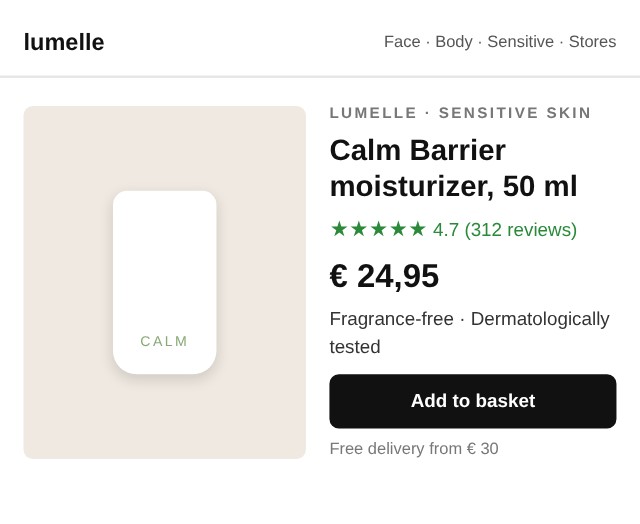
Product page of a fictional skincare brandOWebsite and product pages
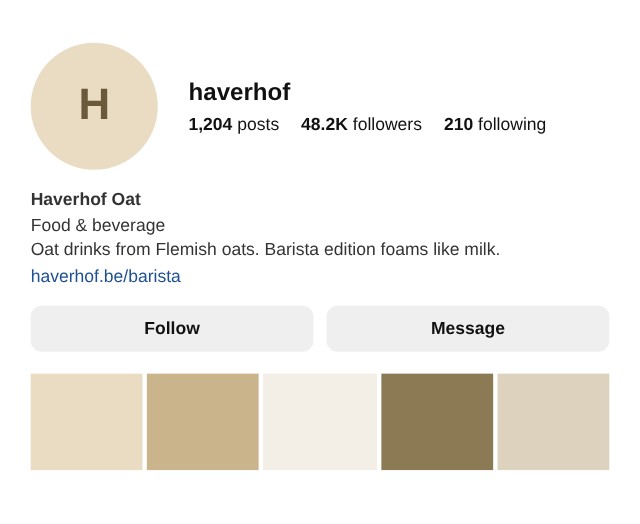
Instagram profile of a fictional oat drink brandOSocial profiles and posts
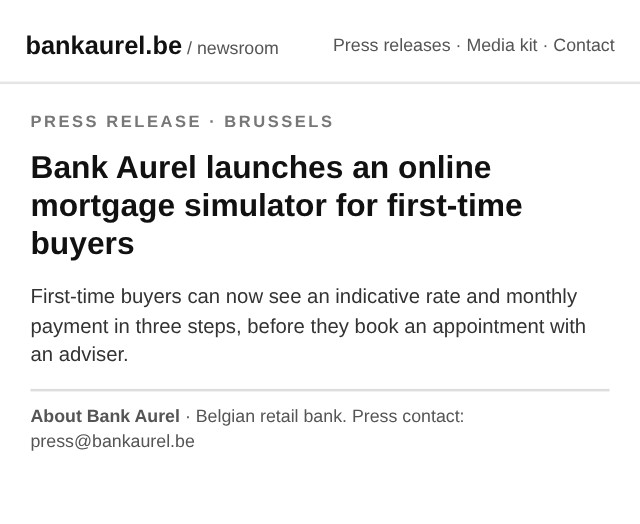
Press release of a fictional bankONewsroom and press releases
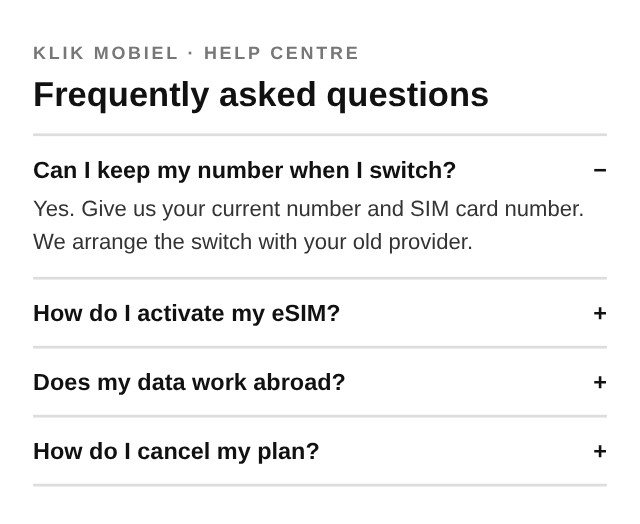
FAQ page of a fictional telecom brandONewsletters, FAQ and support pages
Sponsored post of a fictional shoe brandOAds and campaigns
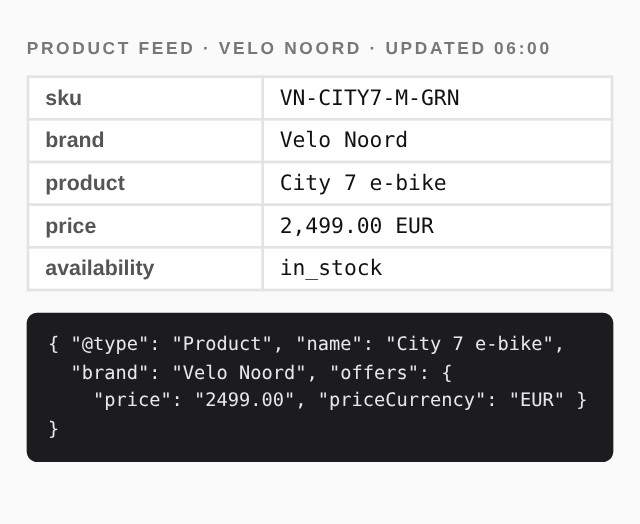
Product feed of a fictional bicycle brandOApps, product data and brand facts

We asked AI

An information question, the kind where your own pages should carry the answer. We put it to ChatGPT, Claude and Gemini while preparing the webinar.

Which shoe store has the most flexible return policy?Tested October 2026

Only shop websites: 3 return pages compared.

1 shop website, plus trade press.

4 shop websites compared, plus trade press.

O

Your FAQ becomes the answer

For a factual question like this, all 3 engines went straight to the retailers’ own return pages. The brand with the clearest, most complete page, Torfs, won in every engine. Claude and Gemini only added trade press as context.

6 owned fixes that make the difference

1

Let AI in

  • Allow and optimize AI bots on your site
  • Blocked means AI can’t read your brand
  • Blocking AI crawlers (GPTBot, OAI-SearchBot, ClaudeBot, Claude-SearchBot) in robots.txt (the file that tells bots what they may read) can keep you out of AI answers
2

Write it out

  • Prices, product features, opening hours and more, as text
  • Not only in a photo, visual or PDF
  • Pages that only load through scripts are invisible too
3

Answer the top questions

  • Your customers’ top questions
  • 2-line answers, on 1 page
  • That page is the one AI quotes, as the Torfs test shows
4

1 fact sheet

  • What you sell, prices and USPs
  • All on 1 page
  • AI cross-checks you against your site, the company register (KBO/KVK) and Wikidata (the database behind Wikipedia)
5

Same bio everywhere

  • Website, Instagram, LinkedIn and Google
  • Same words, same facts
6

Clean up the old

  • Remove old promos, products, features and prices
  • AI repeats what it finds

Owned GEO checklists

Your GEO checklists to get started

The owned, earned and community checklists from the webinar in 1 free PDF. Share them with your team and tick them off one by one.

E

2 of 3

Earned

What journalists, media, experts and creators say about your brand. Someone else decides to write it. That is why AI trusts it more.

Typical sources

When a brand says one thing but media say another, AI often believes the media more.

What counts as earned

6 sources · examples use fictional brands
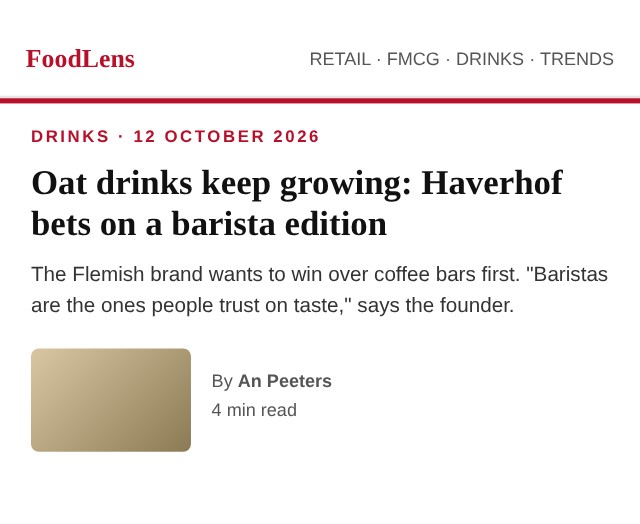
Trade media article about a fictional oat drink brandENews and trade media
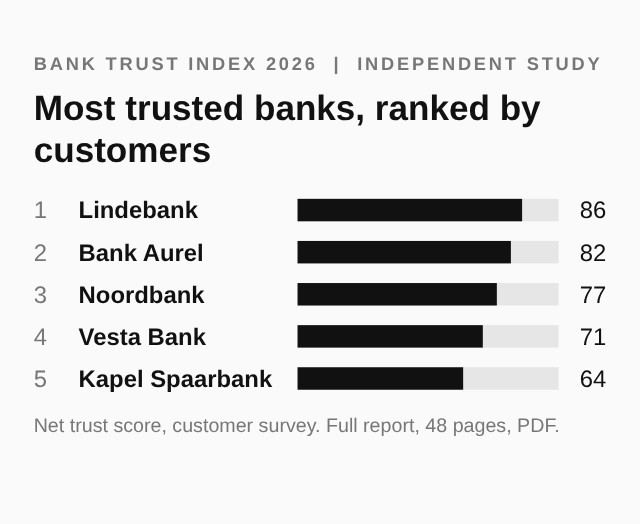
Trust ranking of fictional banksEExpert articles, studies and rankings
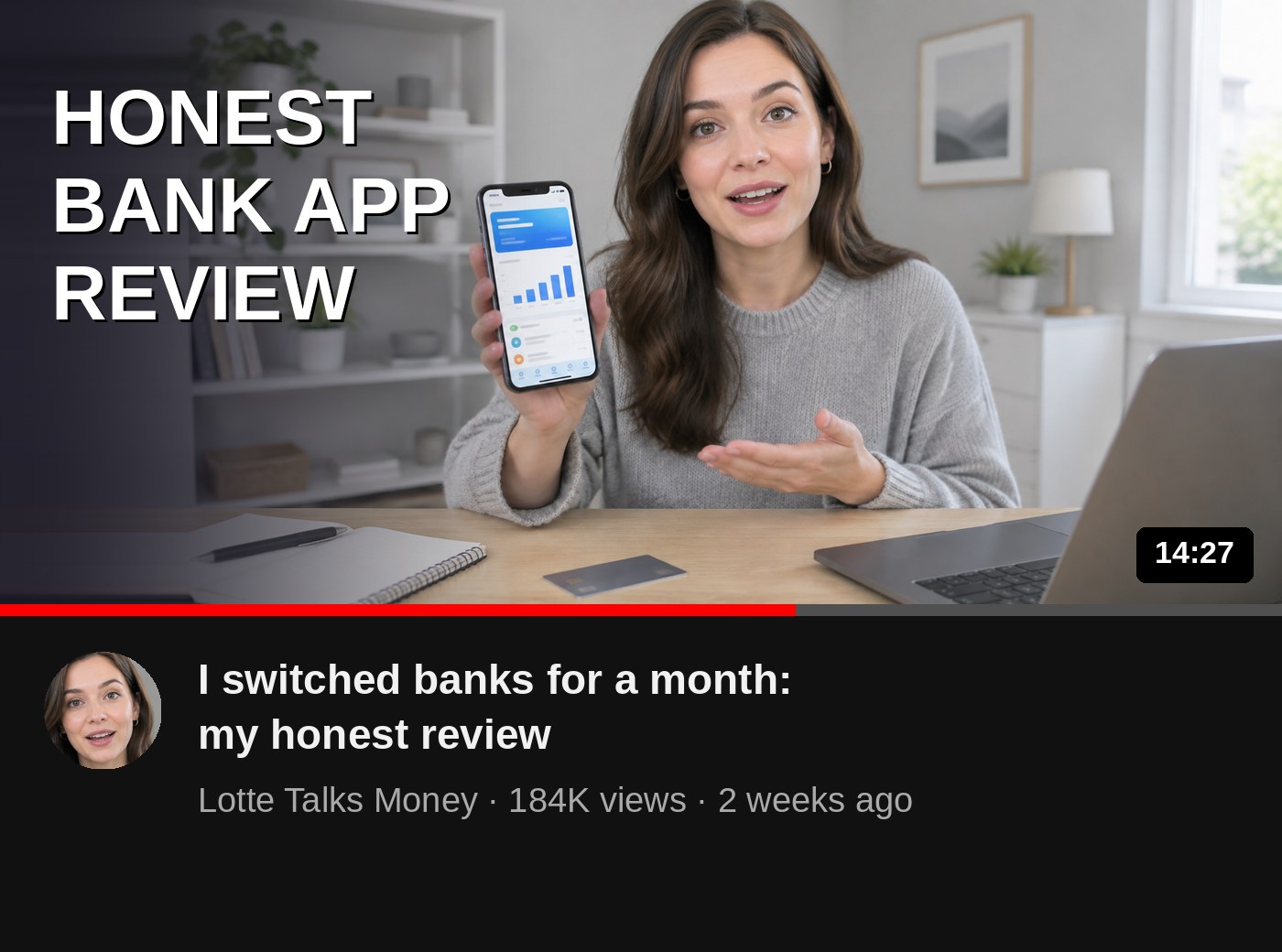
YouTube review by a creator testing a bank app (illustrative)ECreator content
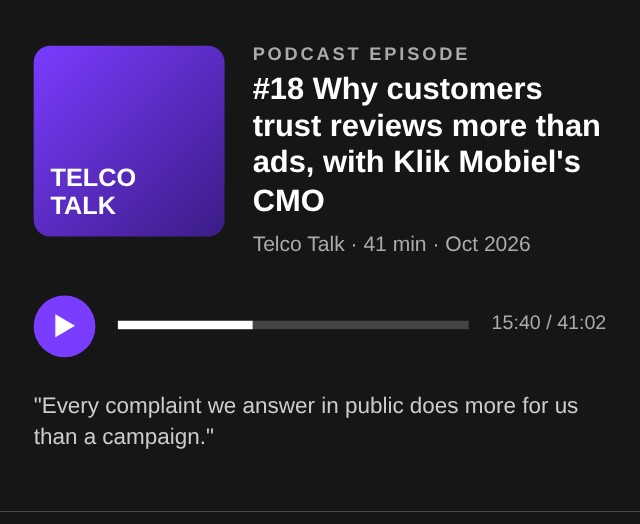
Podcast episode with a fictional telecom brandEPodcasts
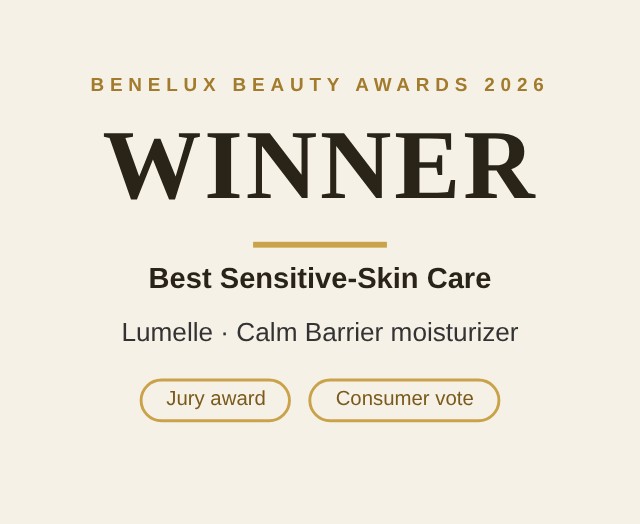
Award for a fictional skincare brandEAwards and trade groups
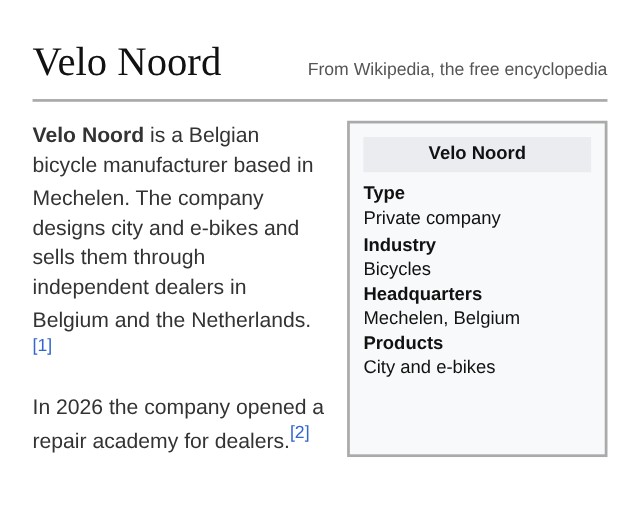
Wikipedia article about a fictional bicycle brandEWikipedia and public records

We asked AI

A comparison question. Every supermarket says it is good value. Who does AI believe?

Which supermarket in Belgium is the cheapest?Tested October 2026

3 independent price checks, including the Dutch Consumentenbond. No supermarket page.

1 trade title reporting the Test Aankoop study, plus Test Aankoop itself. Nothing else.

Names Test Aankoop and cites 4 open sites.

E

The “cheapest” supermarket claim is decided by a third party

Not one engine used a supermarket’s own website. Independent price studies settled the answer in all 3, with Test Aankoop named in 2, repeated by open news and trade sites.

Most publishers in BE and NL keep AI out

A press mention only helps you in AI answers if AI can read the article.

AI can only scan where it’s allowed. The big media groups block AI on their titles, so the most credible coverage is often exactly what AI cannot read. Some trade, lifestyle and regional titles are still open, but their article pages are rarely written for AI search. Stories that get republished elsewhere still get in. This is how the main titles looked when we checked them for the webinar:

Belgium

ClosedBlocks every AI botDe Standaard, Het Nieuwsblad, Gazet van Antwerpen, VTM Nieuws, Sudinfo, De Tijd, L'Echo, RTL info
Mostly closedBlocks AI from learning and from searching the siteVRT, HLN, De Morgen, Humo, 7sur7, Libelle and others
Half openAllows some bots on paper, refuses othersKnack, Trends, Le Vif, Bruzz and others
OpenNo AI rules, bots get throughELLE, Flair, Knack Weekend, Feeling, LN24, RetailDetail and others

Netherlands

ClosedBlocks every AI botDe Telegraaf, Het Financieele Dagblad, De Groene Amsterdammer, Dagblad van het Noorden, Leeuwarder Courant, De Limburger and others
Mostly closedBlocks AI from learning and from searching the siteNOS/NPO, RTL, NU.nl, AD, de Volkskrant, Tubantia, Het Parool, BNR
Half openAllows some bots on paper, refuses othersQuote, National Geographic and others
OpenNo AI rules, bots get throughVogue, LINDA., Metro, ANP and others

Publishers change these settings, sometimes per month. Test the titles that matter to you again every quarter.

If most press is closed, this is what AI still reads about you

Public registers

Open and factual: where AI checks your basic facts

For example
Company registerWikidataGovernment websites

Media that let AI in

Not only small titles: many trade and lifestyle media are open

Target them on purpose: one article there is read by AI, a front page in De Standaard or De Telegraaf is not

For example
ELLE BelgiëVogue NLFlairLINDA.

Experts, creators, studies and awards

Independent voices AI quotes as proof

For example
Key opinion leadersContent creatorsExpertsStudiesAwards

Your story, republished

A release or article picked up by an open site reaches AI, even when the original sits behind a wall

For example
Open news sitesPartnersAggregators

6 earned moves that make the difference

1

For GEO, pick media AI can read

  • AI reads open trade and regional sites, not paywalls
  • A front-page story behind a paywall or AI block does not reach AI
  • So choose titles on whether AI can read them, not only on their reach. Big titles should stay in your PR plan. They just won’t get you into AI answers.
2

1 fact, many sources

  • The same claim on several independent sites
  • AI believes what several independent sites say in the same way
3

Be in the comparison

  • Aim to be present in “best of” or “versus” pieces
  • Those are the questions AI is asked: absent there means absent in the answer
4

Give media hard facts

  • Give journalists concrete facts: figures, dates and a named expert they can quote
  • Attributable facts get cited, vague PR language gets skipped
5

Earned includes creators

  • Creator content counts as earned
  • Ask for the review in text too: captions, descriptions, blogs
6

Keep the records clean

  • Check that Wikipedia, Wikidata, company registers and old articles match your current facts
  • One name, one address, one description everywhere

Earned GEO checklists

Checks for press, creators and the records AI uses to verify you.

Your GEO checklists to get started

The owned, earned and community checklists from the webinar in 1 free PDF. Share them with your team and tick them off one by one.

C

3 of 3

Community

What people say about your brand. Unfiltered, in public, and read by AI as the closest thing to the truth.

Typical sources

When a brand says one thing but its community says another, AI often believes the community more.

What counts as community

6 sources
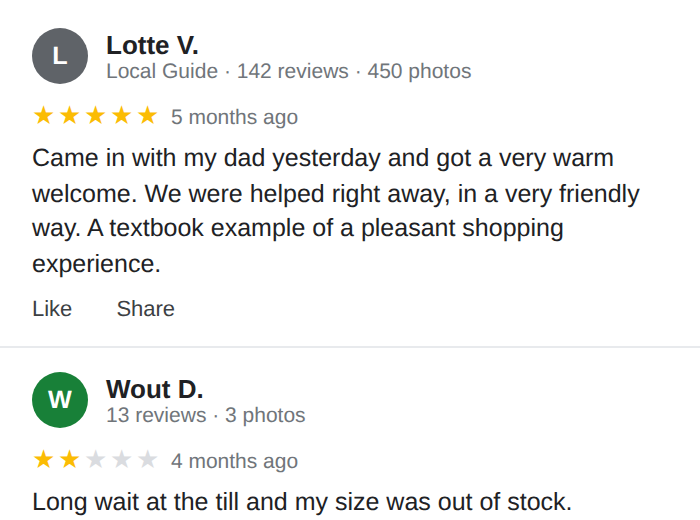
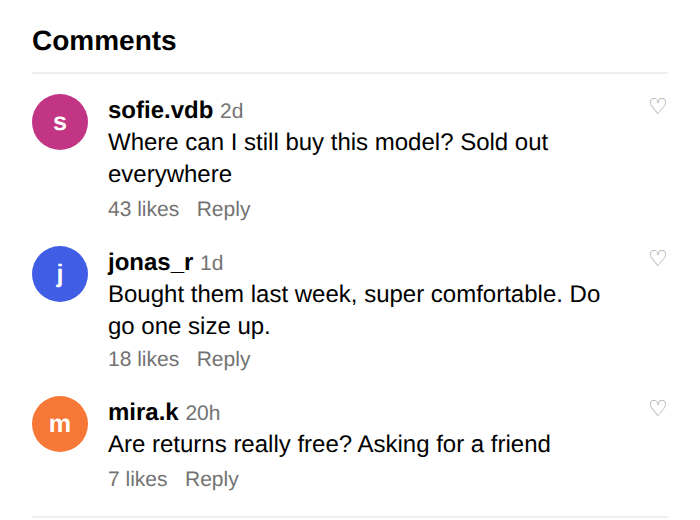
Google reviewsCReviews on Google, Trustpilot and app stores
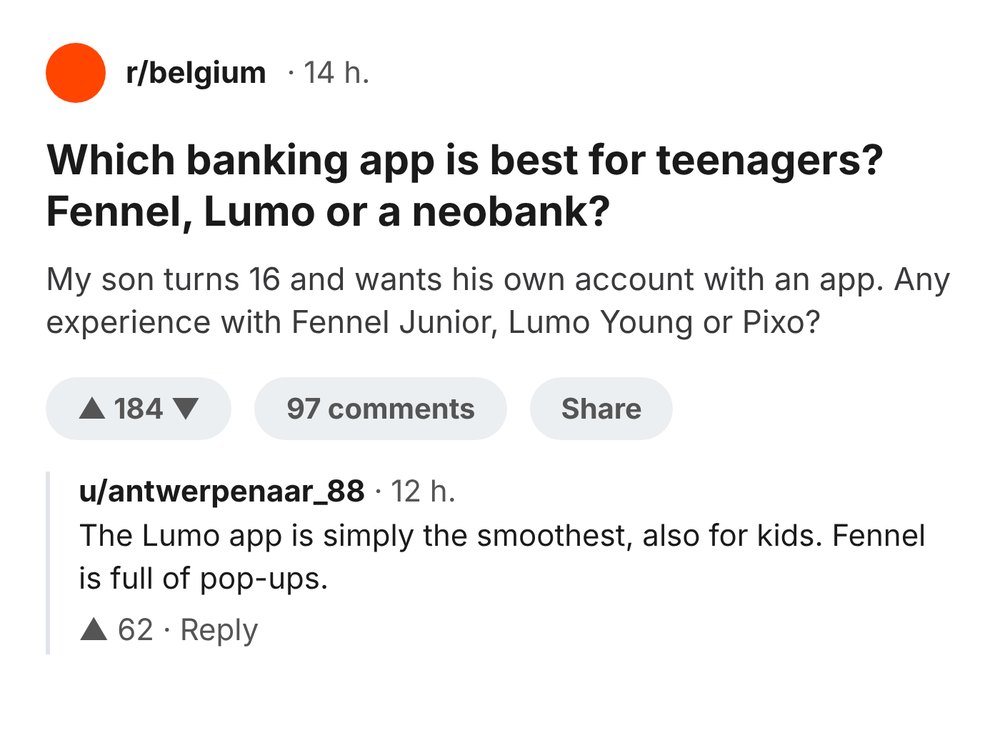
Reddit thread about fictional banking appsCReddit, forums and Q&A sites
Instagram commentsCComments under your posts and ads
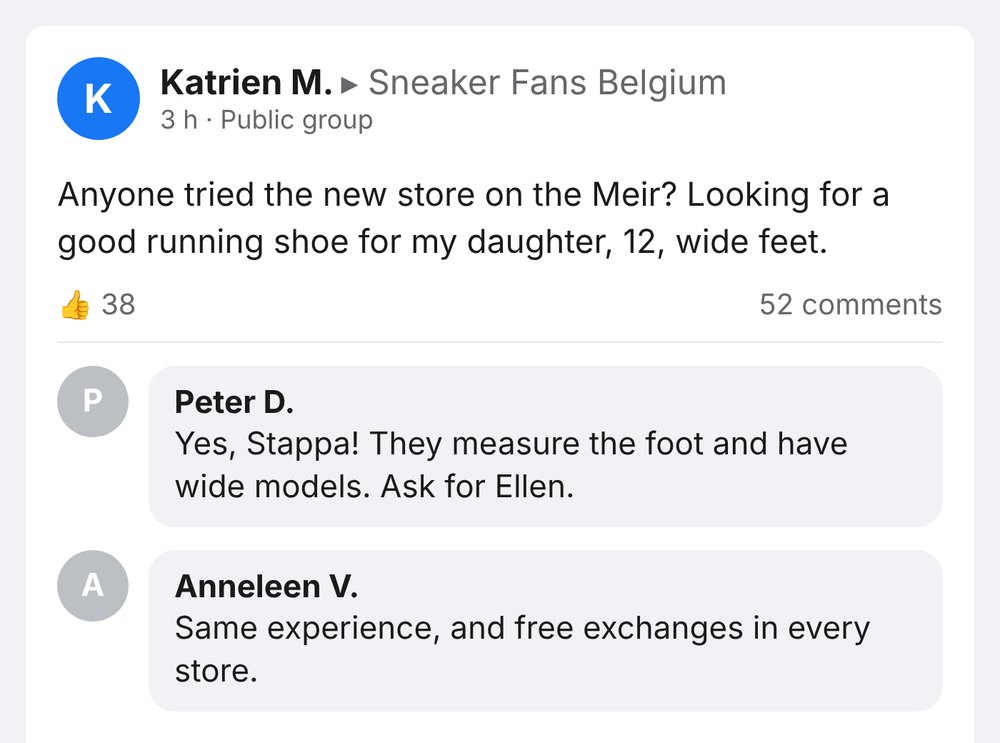
Facebook group post about a fictional shoe storeCFacebook groups and communities
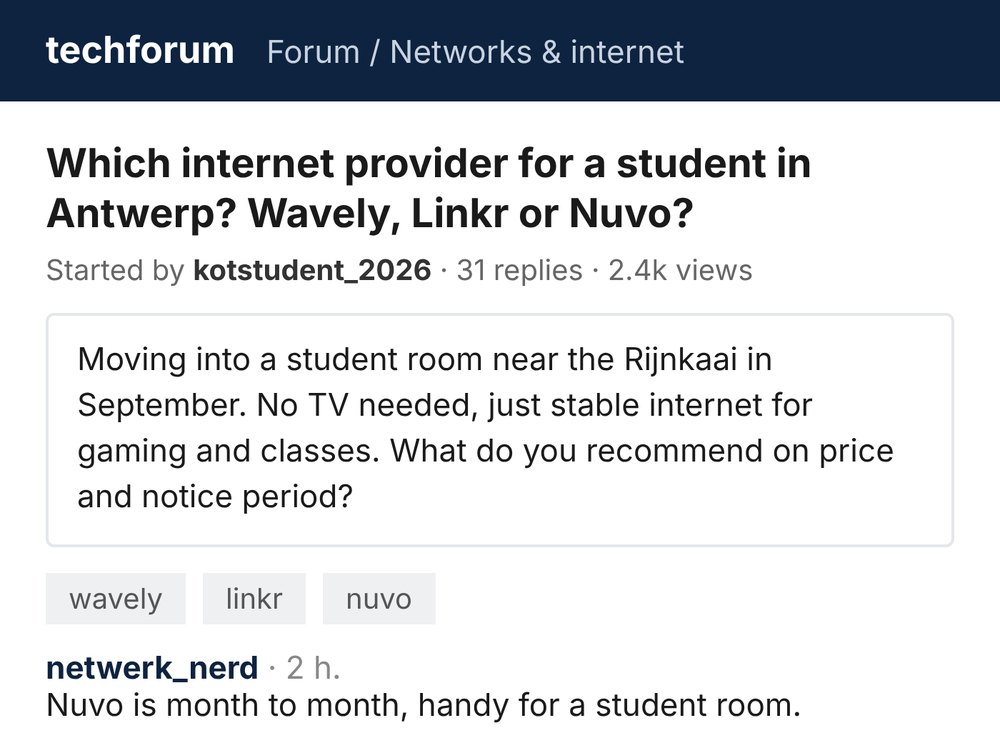
Forum topic about fictional internet providersCQuestions people ask about you
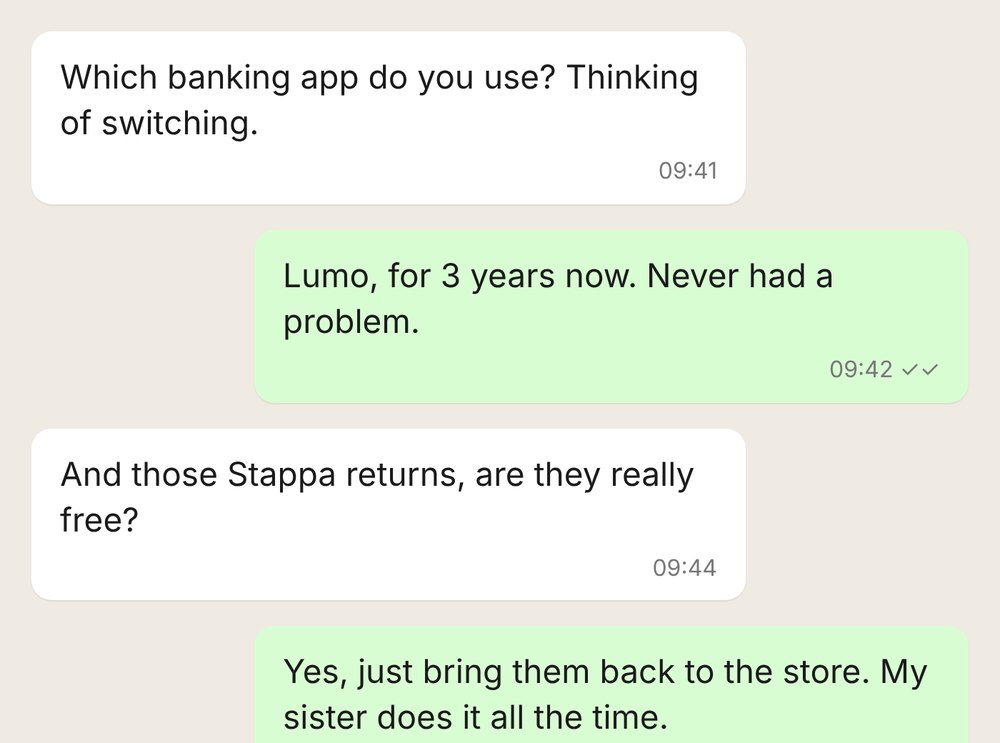
WhatsApp chat about fictional brandsCWhat customers tell each other

We asked AI

A reputation question between 2 well-known brands, with plenty of owned and earned content on both sides.

Which one is more reliable: bol.com or Coolblue?Tested October 2026

Only Trustpilot reviews and Reddit discussions

Tweakers and Reddit reviews, the Coolblue website and trade press

Trustpilot and Google reviews, Facebook group discussions, trade press and a bol seller blog

C

1 review score can decide who is trusted

For a question about reliability, the engines went to what customers say. A single platform’s rating, with its volume and its most recent complaints, set the tone of the whole answer.
From community scan to community management

The scan shows where people talk and what they ask. Community management is how you answer, so AI reads your side too.

Community scan

Community management

  • Answer questions where they’re asked
  • Correct wrong info, with a link
  • Reply to every review
  • Use the facts from your website
  • Pass recurring questions to your web team

For your GEO: up-to-date, correct answers about you, wherever AI looks.

6 community moves that make the difference

1

Reviews are the loudest source

  • Rating, volume and recent reviews set the tone
  • Google, Trustpilot and store reviews get quoted directly
2

Forums are often read as the truth

  • Be present and useful, or the thread defines you
  • Reddit and forum threads about your category are sold to AI companies and quoted
3

Ask every customer for a review

  • A steady flow of recent reviews keeps the picture current
  • Then thank and reply, to the good and the bad ones
4

Let fans speak

  • Repost and feature what customers say about you
  • Their words count more than yours
5

Share creator content where people talk

  • On Reddit, other forums and public groups, not only on your own channels
  • More on this below: 4 places to share
6

Measure what AI repeats

  • Check monthly which sources AI quotes and make sure to be present there
  • You can only act on what you see

Share creator content where people ask questions

4 places to share

Creator videos mostly stay on brand and creator channels. Also post them in the threads where people ask the question.

r/belgium · 4h · ▲ 212 · 96 comments

Looking for good prescription sunglasses in Antwerp. Tips?

u/eyeeyeeye_official eyeeyeeye team here. Our creator shows the range: prescription sunglasses at eyeeyeeyeinstagram.com/reel/…

Reddit

Forum · Food and drinks · Alcohol-free

Re: Best drinks for mocktails?

Marc_V This creator tested the best mixers, worth a watch.Quote · Sofie88: “Tried number two at our party. Huge hit.”

Forums

Parents in Antwerp · Public group · 12K members · Nadia · 2d

Where do you get prescription sunglasses that actually look good?

eyeeyeeye · Brand page Hi Nadia! Our creator shows them here: prescription sunglasses at eyeeyeeyefacebook.com/reel/…

Public groups

YouTube · The best drinks for mocktails · 38K views · 248 comments

@sarah.mixes · 1w: Which tonic did you use in the second one?

@mocktailcreator A light, not too bitter tonic. Full list of drinks is in the description!6d

YouTube

Post the video where the question is asked: as the brand, an ambassador or a fan.

Community GEO checklists

Your GEO checklists to get started

The owned, earned and community checklists from the webinar in 1 free PDF. Share them with your team and tick them off one by one.

Group doing tai chi in a park

In this paper

3

Measuring your AI presence

Don’t think in positions, think in presence

Answers change from ChatGPT to Gemini and from day to day. A position is a snapshot of 1 engine, on 1 day, in 1 language.
Old thinking

“We rank number 2”

  1. 1Competitor A
  2. 2You
  3. 3Competitor B

Ask again tomorrow and the order is different.

New thinking

“We appear in 64% of answers”

The same question, asked 25 times. Count how often you show up. Measure per AI engine, per language and per market.

What to measure

4 levels, from the technical basis to business results, with the 3 measures we track for each.

Access

Can AI read you?

Bots allowed

Your site lets AI bots in (robots.txt, your CDN or firewall)

Bot visits

AI bots show up in your site logs (GPTBot, OAI-SearchBot, ChatGPT-User)

Readable pages

Key facts in plain text, not hidden in code

Presence

Are you in the answer?

Mentions

How often AI names you, per engine and market

Share of voice

You versus your competitors

Right story

Positive tone, correct prices and facts

Sources

Which sites does AI use?

Source mix

Owned, earned or community

Your own pages

Which of your pages AI cites

Content from others about your brand

Which articles, reviews and threads AI cites

Results

Is it paying off?

AI traffic

Traffic from AI in a custom GA4 channel

Brand searches

More people searching your name

Customer answer

“AI assistant” in “How did you find us?”

Are you in AI answers? Where, and how often?

Manual tracking

In a spreadsheet

No tool needed. You do it yourself, for free:

QuestionsFind 20 questions your customers ask before they buy

Ask AIAsk each one in ChatGPT, Claude, Gemini and Copilot, in a new chat

NoteAre you named? Which competitors are? Which sites are linked?

CountIn how many of the 20 answers are you named? And your competitors?

RepeatSame questions every month, so you see if it goes up or down

With a tool

Like Peec AI

You add your questions once. The tool asks them in the AI models you pick and tracks:

Visibility% of answers that mention you

Next stepsSuggested actions to get named more often

SentimentHow AI describes your brand

Share of voiceYour mentions versus competitors

SourcesWhich sites AI cites most in your category

OONA/BAAS will soon launch its own GEO reporting dashboard. Similar tools: Profound and Otterly.AI.

Fans queueing at a film fan event in Amsterdam

In this paper

4

Next steps

Start your GEO journey

This week

Set up

Your top customer questions, a baseline, a check of your facts

This month

OOwned: fix the basics

Open your site to AI bots, answers first, 1 fact sheet

Next quarter

EEarned: make your stories AI-ready

Topics people ask AI about, 1 core claim, hard facts in every pitch

Always-on

CCommunity: be where people talk

Listen monthly, reply fast, correct wrong info at the source

With
OONA/BAAS
GEO AuditBaseline, community scan, monthly dashboard and a fix list in order of impact

3 voices, 1 story

Owned, earned and community are not 3 separate projects. AI reads them together, so they have to tell 1 story.
GEO

1

Same topics

The themes you tackle in owned are the ones media, creators and people talk about.

2

Same words

The same words in owned, earned and community, so AI recognizes 1 brand.

3

Same claims

What you say, what others publish and what people repeat never contradict each other.

Ready for your GEO audit?

Baseline, community scan, monthly dashboard and a fix list in order of impact. We run the audit with you and hand over a plan your team can act on.